Grovelands Park permits gardeners need for pruning: what to know before you cut back
If you are trying to work out Grovelands Park permits gardeners need for pruning, you are not alone. It sounds like a simple question, but in real life it can sit at the crossroads of tree safety, local permissions, neighbour expectations, and the general headache of doing the right thing without causing problems later. Truth be told, pruning is often straightforward until it suddenly isn't.
This guide explains when permits or permissions may matter, how pruning work is usually organised, and what gardeners should check before a branch is touched. It is written for people who want practical clarity, not jargon. Whether you are a homeowner, a landlord, or a gardener carrying out regular upkeep, the goal is the same: prune safely, keep the garden healthy, and avoid avoidable trouble.
For broader help with ongoing upkeep, it can also be useful to look at garden maintenance support, especially if pruning is part of a wider seasonal plan.
Why Grovelands Park permits gardeners need for pruning matters
Pruning is one of those jobs that looks harmless from the street. Snip, tidy, step back. But if the plant is protected, near a boundary, or part of a larger landscape with special controls, the question changes from Can we prune it? to Do we need permission first?
That matters because pruning without the right checks can lead to complaints, delays, costs, or in some cases having to replace damaged planting. In a public or semi-public setting, or anywhere with managed green space, the stakes can be higher. Even a routine cutback might need approval if the tree is subject to a preservation order, if the site has planning conditions attached, or if the work affects shared access, visibility, or safety.
There is also a practical side. Good permission handling keeps jobs moving. It prevents the awkward "we thought someone else had signed it off" moment. We have all seen that happen, and it never feels elegant, does it?
For gardeners, permissions are not just red tape. They are part of professional care. A properly checked pruning job protects tree health, shows respect for the site, and helps avoid work that looks tidy on day one but causes dieback later.
Expert summary: The safer approach is simple: identify the plant, assess whether it is protected or sensitive, confirm whether permission is needed, and only then schedule pruning. That one extra step can save a lot of grief.
How Grovelands Park permits gardeners need for pruning works
In practice, the process usually starts with identifying the exact plant and the nature of the work. Light shaping on a hedge is very different from crown reduction on a mature tree. One is routine maintenance; the other may involve permissions, checks, and more careful timing.
Gardeners typically look at a few things first:
- Whether the plant is a tree, shrub, hedge, or climber
- Whether it sits inside an area with special management or planning controls
- Whether the work is minor maintenance or a substantial reduction
- Whether nesting birds, wildlife, or seasonal growth patterns may be affected
- Whether access, pathways, or neighbouring properties could be impacted
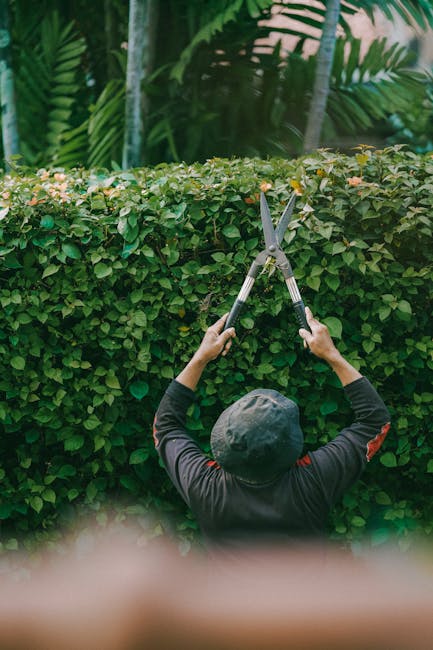
If the pruning is part of a larger refresh, a service such as hedge trimming may be relevant where the work is mainly about shaping, hedging lines, and routine control. For more complex overgrowth or debris, garden clearance may be the more appropriate starting point.
Once the job is understood, the next step is usually checking whether any permission route exists. In plain English, that could mean an owner's approval, a management sign-off, a local authority process, or simply confirmation that the work falls within routine maintenance and does not need a formal permit. The important bit is not guessing. Guessing is how people end up cutting first and phoning later. Not ideal.
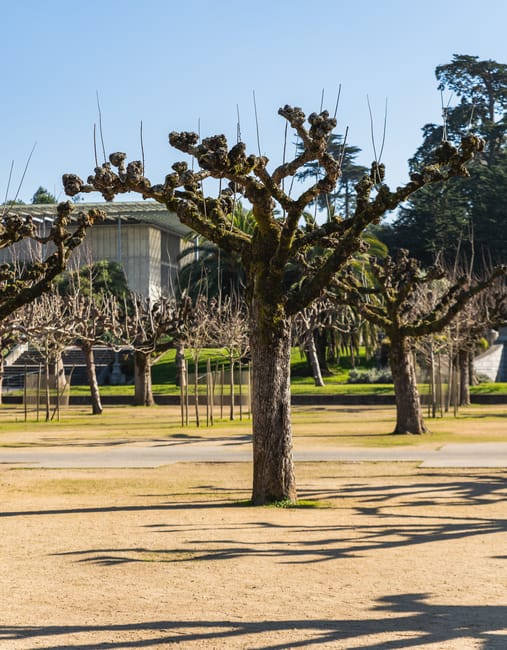
Where trees are involved, pruning should be especially cautious. Larger specimens, older growth, and trees close to buildings or footpaths often need a more measured approach. In those cases, tree-specific services such as tree lopping and removal may be relevant if the issue goes beyond light pruning and into safety-led management.
Key benefits and practical advantages
Getting the permit or permission question right is not just about compliance. It improves the quality of the work itself.
- Better plant health: Pruning at the right time, with the right scope, helps plants recover properly.
- Fewer disputes: Clear approval reduces the risk of neighbour complaints or misunderstandings.
- Safer access: Planned pruning helps manage branches near walkways, roofs, fences, and play areas.
- Cleaner project planning: You can schedule labour, waste removal, and follow-up care more accurately.
- Less rework: A checked job is less likely to be reversed, questioned, or redone.
There is also a subtle advantage that people underestimate: confidence. Once the gardener knows the work is authorised, the whole job tends to run more calmly. No second-guessing halfway through. No awkward pause when the client asks, "Are you sure this is okay?"
If pruning is part of a bigger landscaping refresh, it can be sensible to coordinate it with landscaping or landscape gardening so the end result feels joined-up rather than piecemeal.
Who this is for and when it makes sense
This topic matters to a few different groups, and their needs are slightly different.
Homeowners
If you own a property near Grovelands Park or a similarly managed green area, you may simply want to prune overhanging growth or reshape a front garden tree. That sounds routine, but if the plant is protected or visible from a managed public area, checking first is sensible.
Landlords and property managers
For rental properties, timing and liability matter. Tenants often notice overgrowth before anyone else does, and pruning can affect access, sightlines, and general presentation. If the job is part of regular upkeep, garden maintenance is usually the cleanest way to keep on top of it.
Professional gardeners
If you are carrying out the work for a client, the permit question is part of your duty of care. It protects your reputation as much as the site. In our experience, the best gardeners are not the ones who rush fastest; they are the ones who ask the right question at the right time.
Community or shared-site managers
Shared spaces can be tricky because ownership, responsibility, and permission are often split across more than one person. A clear paper trail matters here. So does a simple scope of works. Nobody likes confusion when branches, ladders, and neighbours are all involved.
Step-by-step guidance
Here is a practical, no-nonsense way to handle pruning work when permission might be involved.
- Identify the plant correctly. Know whether it is a hedge, shrub, young tree, mature tree, or mixed planting. That basic step changes the whole decision.
- Assess the type of pruning needed. Light trimming, deadwood removal, shaping, crown thinning, or reduction all have different implications.
- Check for restrictions or site controls. If the site is managed, shared, or subject to special conditions, permission may be required before work begins.
- Look for practical risks. Think about nesting birds, fragile branches, access issues, weather, and nearby surfaces that could be damaged.
- Agree the scope in writing. A short written note is often enough to prevent misunderstandings later.
- Choose the right timing. Avoid rushing the job in poor weather or at the wrong stage of growth if it can be avoided.
- Carry out the cut carefully. Use clean cuts, sensible angles, and an amount of reduction that suits the plant.
- Clear up properly. Branches, twigs, and green waste should be removed, recycled, or disposed of responsibly.
- Review the outcome. Step back and look at shape, balance, safety, and whether further follow-up is needed.
If you need help turning pruning into a fuller site tidy-up, a broader services overview can make it easier to match the right level of support to the job.
Expert tips for better results
Small details make a big difference with pruning. Honestly, they really do.
- Prune for a reason, not just for neatness. Good pruning should improve structure, health, or safety.
- Use the plant's natural form as a guide. Fighting the shape usually creates awkward regrowth.
- Keep tools sharp and clean. It sounds basic because it is basic, but it matters a lot.
- Leave room for recovery. Too much at once can shock the plant and make it look worse before it looks better.
- Watch for hidden issues. Cracks, decay, and unstable limbs are easy to miss until you are right under the canopy.
- Schedule follow-up work. Some plants need a second pass later in the season rather than one heavy cut.
A practical example: a mature laurel hedge may need regular shaping, but if it has become thick at the base and is close to a boundary, a slower staged reduction is often better than a dramatic one-day cut. Less drama. Better recovery. Everyone sleeps easier.
If waste is part of the job, choose a disposal plan that aligns with responsible green waste handling. For some projects, recycling and sustainability is a useful consideration, especially when there is a lot of cut material to manage.
Common mistakes to avoid
Most pruning mistakes are not dramatic. They are small, tempting shortcuts. That is what makes them so common.
- Assuming all pruning is allowed. Routine-looking work can still sit under special controls.
- Cutting too much at once. Heavy reduction can weaken a plant and make regrowth messy.
- Ignoring season and wildlife considerations. Even if the site seems quiet, it may not be.
- Using poor tools. Ragged cuts are harder for plants to recover from.
- Not checking access or overhead hazards. Branches fall, ladders shift, and it all happens quickly.
- Skipping aftercare. Watering, mulching, and monitoring matter more than people think.
There is another one worth mentioning: pruning for symmetry when the plant does not want symmetry. Nature can be a bit rude that way. But forcing a plant into a neat box shape often leads to weak structure later on.
Tools, resources and recommendations
You do not need a shed full of kit to prune properly, but you do need the right kit for the task.
Useful tools may include:
- Hand secateurs for small stems and soft growth
- Loppers for thicker garden shoots
- Pruning saws for woody branches
- Gloves and eye protection
- A stable ladder or access platform when working at height
- Tarpaulins or collection sacks for tidy waste removal
For more general upkeep, it can help to combine pruning with lawn mowing so the whole garden looks balanced rather than half-finished. If your pruning job is tied to a wider refresh, the practical route may be to look at ongoing garden care rather than one-off cuts only.
Recommendation-wise, the best approach is to match the tool to the branch size, then match the job to the level of permission needed. That sounds obvious, but it is the sort of obvious thing people skip when they are in a hurry on a damp Tuesday morning.
Law, compliance, standards, or best practice
Because this topic can involve managed land, trees, access routes, and possible restrictions, a careful compliance mindset is sensible. In the UK, the exact rules depend on the location, ownership, and status of the plant or site. There is no one-size-fits-all answer you can safely apply everywhere.
Best practice usually means:
- Checking ownership and responsibility before work begins
- Confirming whether the plant is protected or otherwise sensitive
- Making sure the scope of work is proportionate to the need
- Avoiding damage to trees, boundaries, paving, and adjacent planting
- Keeping a record of permission or approval where appropriate
- Working safely around people, pets, and public access
Professional gardeners also tend to follow sensible health and safety routines, especially where height, tools, or falling material are involved. A good reference point for a service provider is whether it can explain its approach clearly and consistently. Pages like health and safety policy and insurance and safety are useful signs that a company treats the job properly, not casually.
If a site is shared, managed by a committee, or governed by a lease or estate arrangement, the safer assumption is that permission should be checked before pruning begins. It is much easier to pause than to undo.
Options, methods, or comparison table
Not every pruning job needs the same level of formality. Here is a simple comparison that may help.
| Method | Best for | Permission risk | Typical notes |
|---|---|---|---|
| Light hand pruning | Small shrubs, shaping, deadheading, minor tidy work | Low, but still worth checking on managed sites | Usually quick and low impact |
| Hedge trimming | Regular boundary control and neat edges | Low to moderate | Often part of routine maintenance, but access and boundaries still matter |
| Structural pruning | Improving branch spacing or reducing awkward growth | Moderate | More judgement needed, especially with mature plants |
| Tree reduction or lopping | Safety-led work, clearance, or severe overgrowth | Higher | May need approval, especially on protected or managed sites |
If you are unsure which category your job falls into, stop at the decision point and reassess. That pause is usually worth it. The wrong cut is expensive; the right one is just careful.
Case study or real-world example
A practical example helps here. Imagine a homeowner with a mature garden tree that has started brushing a fence and shading a seating area. At first glance, it seems like a simple tidy-up. But the tree is older, sits close to a boundary, and the property is near a managed park environment where permissions may need checking.
The gardener does the sensible thing: first identifies the tree, then checks whether the job is limited to light pruning or whether it crosses into more substantial work. The result is not a dramatic intervention. It is a measured prune, done at the right time, with the right scope, and with clear agreement on what is being removed.
The best part? The garden feels lighter, the fence is safer, and the tree still looks like itself. Not hacked, not overdone, just properly cared for. A few months later, the owner is not dealing with awkward regrowth or complaints. That is the real win.
When a job like this sits alongside a larger outdoor refresh, it can be helpful to coordinate with landscape gardening or even landscaping so pruning, beds, paths, and structure all work together.
Practical checklist
Use this checklist before pruning in Grovelands Park-style managed settings or any similar area where permission may matter.
- Have I identified the plant correctly?
- Do I know whether it is a hedge, shrub, or tree?
- Is the work routine trimming or more significant pruning?
- Could the site have special controls or approval requirements?
- Have I checked for nesting birds, wildlife, or seasonal sensitivity?
- Is access safe for tools, ladders, and waste removal?
- Has the scope been agreed clearly?
- Are the right tools and protective equipment available?
- Is there a plan for clearing and recycling green waste?
- Has the outcome been reviewed after cutting?
If you can tick most of those off confidently, you are in a much better place. If not, pause and get the details straight first. That little pause can save a lot.
Conclusion
Understanding Grovelands Park permits gardeners need for pruning is really about doing garden work properly: checking before cutting, respecting the site, and choosing the right level of action for the plant in front of you. Sometimes permission is straightforward. Sometimes it needs a careful check. Either way, the principle is the same: make the pruning decision with the full picture in mind.
When gardeners take that approach, the result is usually better-looking, better-balanced, and safer too. Less guesswork. Fewer surprises. And a garden that still feels alive after the work is done.
If you are planning pruning alongside other outdoor work, it may help to review available services and decide what level of support best fits the job.
Get a free quote today and see how much you can save.
Sometimes the best garden work is the kind that leaves everything looking natural, calm, and quietly well cared for.
Frequently Asked Questions
Do gardeners always need a permit for pruning in Grovelands Park?
No, not always. Minor routine pruning may not need formal permission, but the answer depends on the plant, the site rules, and whether the work is part of a managed or protected setting. It is best to check before starting.
What kind of pruning is most likely to need approval?
More substantial tree work, work on mature specimens, or pruning on managed or sensitive sites is more likely to need approval than basic hedge trimming or light shaping.
Is hedge trimming treated the same as tree pruning?
Usually not. Hedge trimming is often routine maintenance, while tree pruning can involve greater risk, more careful timing, and a higher chance of needing checks first.
How do I know if a tree is protected or restricted?
You should check the site information, ownership details, or any management guidance connected to the property or area. If you are unsure, do not assume it is unrestricted. That is where people get caught out.
Can I prune first and ask later?
That is generally a bad idea. If permission or approval is needed, pruning first can create problems that are harder to fix than the original issue.
What should a gardener check before pruning near paths or public areas?
They should check access, safety, falling debris risk, visibility, nearby users, and whether the work could affect a shared space or public route.
What is the safest time of year to prune?
It depends on the plant species and the reason for pruning. Some work is best done in dormancy, while other jobs are better when growth is active. There is no single universal season.
Does pruning count as part of regular garden maintenance?
Yes, often it does. Routine trimming, shaping, and light reduction can be part of ongoing care, especially when combined with broader garden maintenance.
What happens if pruning is done without the right permission?
Possible outcomes can include complaints, requests to replace damaged planting, delays to further work, or other consequences depending on the site. The exact result depends on the circumstances, so it is better not to test it.
Should pruning and waste removal be planned together?
Absolutely. Branches, clippings, and green waste can build up quickly, so it helps to plan disposal or recycling at the same time as the pruning itself.
Is professional help worth it for a small pruning job?
Often yes, especially if the plant is mature, close to a boundary, or part of a managed site. A small job can still have a big consequence if it is handled poorly.
How do I choose between pruning, hedge trimming, and garden clearance?
Choose pruning for shaping or structural care, hedge trimming for regular boundary maintenance, and garden clearance when the site is overgrown or cluttered and needs a bigger reset.
For company details, service standards, and practical policies, you can also review about us and the wider site policies as part of your due diligence. If you want to make an enquiry, use the contact page.